When it comes to health and longevity, all movement matters. I’m a big believer in testing—after all, “what gets measured gets noticed.” But too often, aches and pains send us straight to medical imaging, leading to a cascade of diagnoses that may not actually explain the discomfort. A physiotherapist once introduced me to the term VOMIT—Victim Of Medical Imaging and Technology. Intrigued, I asked what she meant.
With the widespread availability of CT scans, MRIs, and other imaging tools, we’re quick to “find” something—tears, frayed ligaments, cartilage loss. And just like that, we assume the issue is purely mechanical, when in reality, many cases of joint and tendon pain stem from poor overall health and lack of movement, not structural damage. This leads to an endless cycle of treatments, medications, injections, and even surgery.
The human body is an interconnected system—few issues exist in isolation. Osteoarthritis, for example, is more common in people with metabolic diseases like fatty liver and diabetes. Pain is often a symptom of a sedentary lifestyle. Like any machine, the body rusts and seizes up when it stays still for too long.
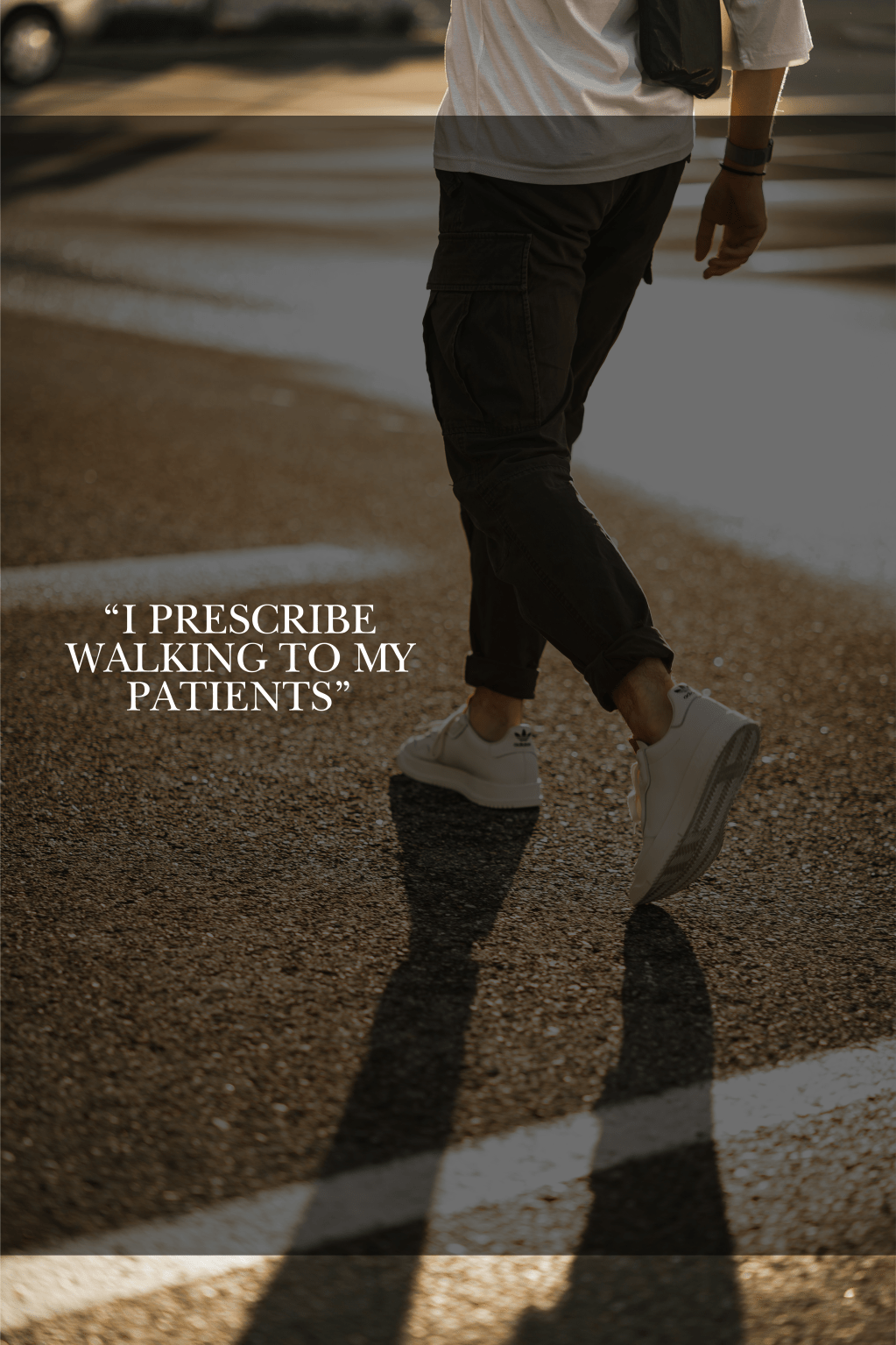
So, the solution? Move more. Physical activity is a powerful tool against multiple health conditions. Yet many avoid exercise because they believe it requires extreme effort—sweat, pain, exhaustion, and dragging themselves to the gym. It doesn’t have to be that hard. One of the simplest and most effective forms of movement is walking. If exercise came in pill form, we’d all be taking it.
I often recommend walking two to three times a day for 20 to 30 minutes. Even modest activity—6,000 to 8,000 steps per day—can reduce the risk of heart disease, dementia, and type 2 diabetes by 15 to 30%. Walking can also kickstart a positive feedback loop—as you move more, you feel better, and small improvements snowball into larger health gains. In contrast, inactivity often leads to a downward spiral—pain leads to less movement, which causes weight gain, muscle loss, and further health decline.
Aging-related fitness decline happens gradually, making it hard to notice. Ask yourself: Do you get out of breath climbing stairs? Can you do 20 chair squats in 30 seconds? Can you complete 20 pushups? The effects of aging begin in our 40s, even if they’re not obvious until later. Fitness is like a retirement account—the more muscle mass and cardiovascular capacity you build now, the more reserves you have for later.
Despite all the hype around biohacking—cold plunges, sauna, supplements, delaying coffee—the biggest impact still comes from fundamental habits: moving daily, prioritizing sleep, eating home-cooked meals, maintaining healthy blood pressure and cholesterol levels (ideally without medication), limiting alcohol, staying socially connected, and finding a sense of purpose.
No pill, supplement, or high-tech procedure can replace the benefits of movement. And the easiest way to start? Go for a walk.
 The Possibility Coach
Leave a comment