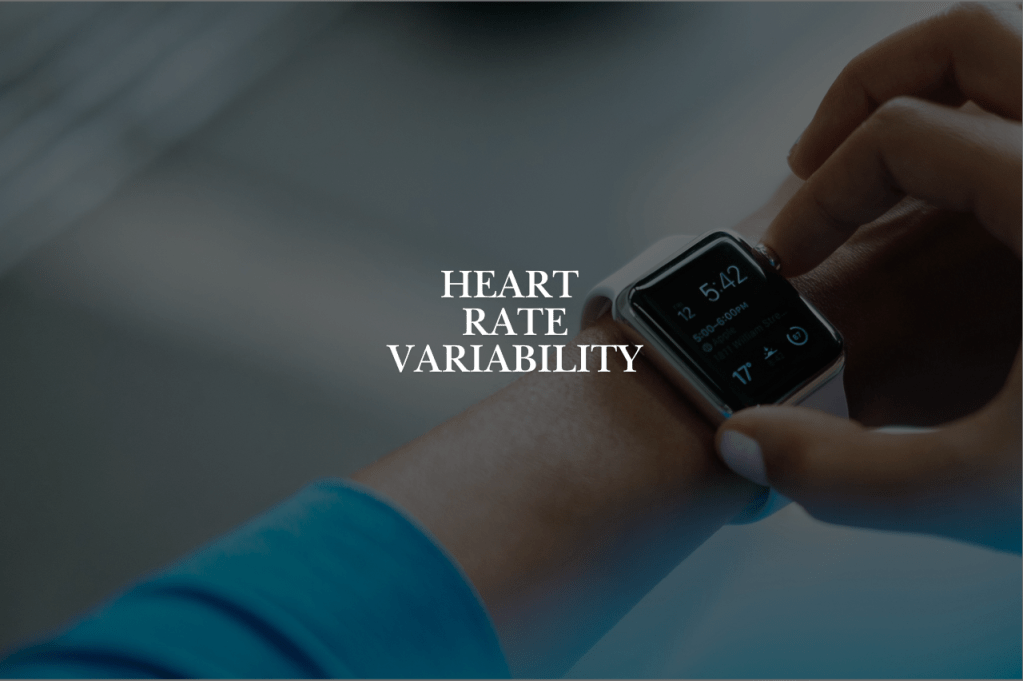
Heart Rate Variability (HRV) refers to the variation in the time interval between consecutive heartbeats. It is a key measure of the autonomic nervous system’s regulation of the heart, reflecting the balance between the sympathetic (fight or flight) and parasympathetic (rest and digest) nervous systems.
HRV is typically measured using an electrocardiogram (ECG) or wearable devices that track heart rhythms. It is usually expressed in milliseconds (ms). A high HRV indicates a healthy and adaptable autonomic nervous system, meaning the body can efficiently manage stress and recover well. On the other hand, a low HRV may suggest stress, fatigue, or underlying health issues, indicating less flexibility in heart rate adjustments in response to activity or environmental changes.
HRV plays a significant role in monitoring stress and recovery. A higher HRV is often associated with better recovery and lower stress levels. It is also widely used in physical fitness, as athletes rely on HRV data to tailor their training intensity, helping to prevent overtraining and optimize performance. Additionally, HRV is used in medical settings to monitor conditions such as cardiovascular disease, diabetes, and mental health issues like anxiety and depression.
Heart rate variability is a feature available on many smart monitors, including watches and fitness devices. Since HRV reflects the effects of stress hormones, it provides insights that differ from an individual’s actual heart rate. For example, after a night of poor sleep and crossing multiple time zones on a trip to England, my HRV dropped from my usual 34ms. While not a drastic change, I expect it to return to normal over the next few days. Monitoring HRV is one of the key metrics I track regularly, alongside my Sleep Score.
For those looking to improve their metabolic health, using a smart device is highly recommended. Fitbit is among the best fitness trackers, while Apple and Samsung watches offer similar features. More specialized devices like Whoop operate on a subscription model, and for those who prefer to keep their wrists free, the Oura Ring is a tracking ring with long battery life, making it ideal for overnight monitoring—though it comes at a higher price point. If you need help selecting or interpreting HRV data, feel free to reach out.
Improving HRV involves activating the parasympathetic nervous system, which is primarily mediated through the vagus nerve. Since this system is the opposite of the sympathetic (fight-or-flight) response, activities that enhance HRV are related to feelings of safety and relaxation. These include better and sustained sleep with adequate deep sleep periods, meditation or mindfulness practices that promote relaxation and stress reduction, controlled breathing exercises that enhance vagal tone, and social connectivity through meaningful interactions and relationships.
We will explore each of these strategies in detail in a future discussion. While these factors may be harder to define in the context of healthier living, they are no less important. Stay tuned for more insights on HRV and overall well-being!
 The Possibility Coach
Leave a comment